Top Basement Waterproofing NJ Solutions for Year-Round Protection
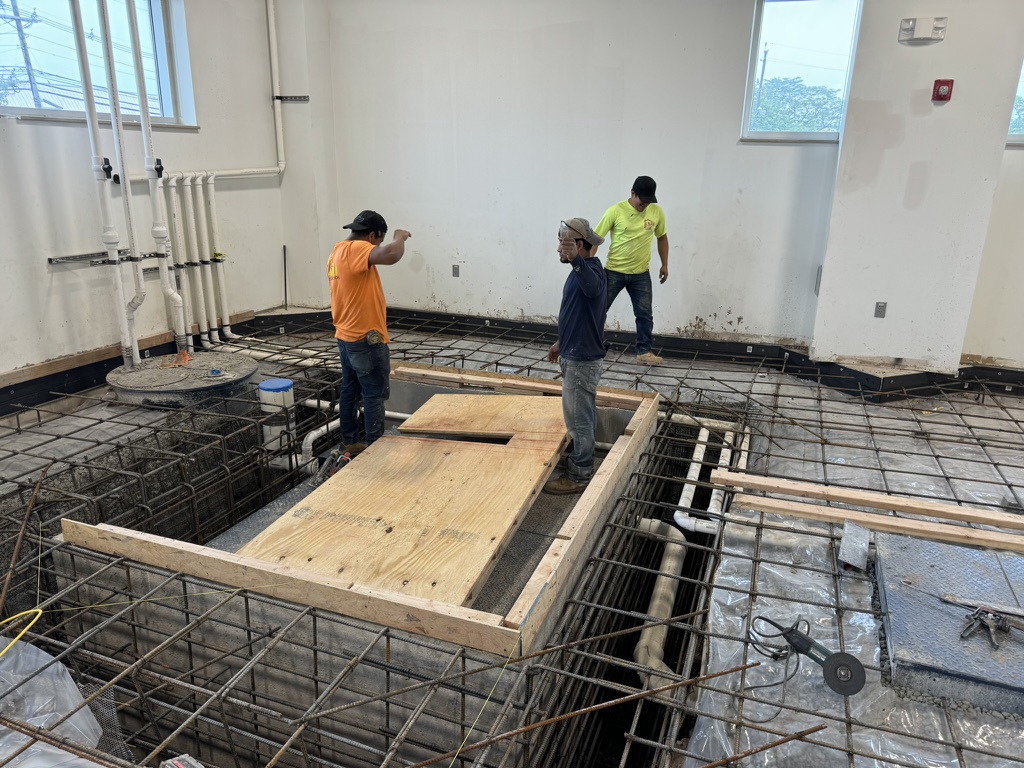
A dry basement in New Jersey is never just about comfort. It is about protecting the structure above it, preserving indoor air quality, and preventing a manageable moisture issue from turning into a major repair. In this state, basements deal with a little of everything. Heavy spring rains, humid summers, coastal storm systems, winter freeze-thaw cycles, and neighborhoods with older housing stock all create conditions where water finds a way in.
Homeowners often call for help after seeing the obvious signs, a puddle at the wall edge, peeling paint, a musty smell that does not leave, or a dehumidifier that runs constantly and still cannot keep up. By that point, the water problem has usually been developing for a while. Basement leaks tend to start quietly. A hairline crack in a foundation wall, poor grading outside, or a clogged footing drain can let in enough moisture to feed mold and weaken finishes long before standing water appears.
The good news is that effective Basement Waterproofing NJ solutions are not one-size-fits-all products. They are systems chosen to match how water behaves on a specific property. The right fix depends on the age of the home, the type of foundation, the water table, the soil around the foundation, and whether the issue is seasonal seepage or chronic hydrostatic pressure. When those factors are understood, year-round protection becomes realistic.
Why New Jersey basements take such a beating
New Jersey presents a challenging mix of geology and climate. In some parts of the state, homes sit on clay-heavy soils that hold water after storms. In others, the ground drains more freely but the water table can still rise during wet periods. Older homes in North Jersey often have stone or block foundations that were not built with modern drainage details. In central and southern areas, many homes have poured concrete walls, but that does not make them immune. Concrete cracks. Window wells fill. Sump pits fail. Surface runoff follows the easiest path, and if the grading points toward the house, that path often ends at the basement wall.
The seasonal cycle matters too. During winter, water can freeze in small cracks and expand them. In spring, saturated soil increases pressure against the foundation. Summer humidity creates condensation on cool basement surfaces, which many people mistake for leaks. During hurricane season and severe thunderstorms, rain can overwhelm gutters, downspouts, and perimeter drains all at once.
That is why a proper waterproofing plan does not focus on one symptom. It looks at the whole water-management picture, from roof runoff to subsurface drainage to interior humidity.
Not every wet basement is leaking in the same way
One of the most common mistakes homeowners make is assuming that any wet basement needs the same repair. A stain on a foundation wall may come from lateral seepage after storms. Water on the floor near the center of the room may be groundwater rising through the slab. Dampness around stored boxes could be nothing more than condensation combined with poor air movement.
The distinction matters because the wrong fix wastes money. I have seen basements where someone sealed the interior wall with waterproof paint three times in five years, even though the real problem was an undersized gutter system dumping roof water next to the footing. I have also seen homeowners install a dehumidifier for a structural crack that widened every winter.
A good contractor starts by tracing the water path, not by reaching for a standard package. That diagnosis usually includes inspecting exterior grading, checking gutter discharge points, looking for wall cracks, reading moisture patterns on walls and floors, and asking when the problem occurs. Only after that should anyone recommend a system.
Exterior waterproofing, the strongest defense when access allows
If the goal is to stop water before it reaches the foundation wall, exterior waterproofing is the gold standard. It is also the most labor-intensive option. Done properly, it involves excavating down to the footing, cleaning the outside of the wall, repairing cracks or voids, applying a waterproof membrane, and installing drainage board and footing drain improvements where needed.
This is not always the cheapest route, but it is often the most complete one, especially for homes with chronic lateral seepage. On older masonry foundations, exterior work can make a dramatic difference because it addresses both water penetration and wall preservation. Masonry walls degrade when they stay wet year after year. Mortar softens. Efflorescence builds. Freeze-thaw action increases surface spalling. Keeping the wall dry from the outside helps protect the structure itself.
Still, exterior excavation is not ideal in every case. Tight property lines, patios, decks, mature landscaping, and https://tituslxgz313.evergrovio.com/posts/how-basement-waterproofing-nj-creates-a-more-livable-lower-level attached garages can make access difficult or expensive. If the issue is localized, such as one corner where a downspout has been dumping water, a targeted exterior repair may be enough. If the entire perimeter shows leakage and excavation is practical, exterior waterproofing can provide the longest-lasting control.
Interior drainage systems, often the practical choice for finished or tight-access basements
Interior drainage is the solution many New Jersey homeowners end up choosing because it manages water effectively without major excavation. Instead of trying to stop every drop outside, an interior system accepts that water may reach the inside face of the foundation and then gives it a controlled path to a sump basin before it reaches the floor surface.
Typically, this means cutting a channel along the perimeter of the basement slab, installing a drain line in clean stone, and connecting it to a sump pump. The wall-to-floor joint, where many leaks appear first, becomes part of a managed drainage path. In poured concrete basements, this can be highly effective. In block wall basements, additional wall drainage may be needed because water can collect inside the hollow cores of the blocks.
Interior systems are less disruptive to the yard and often cost less than full exterior excavation. They also work well when hydrostatic pressure under the slab is a major contributor. What they do not do is keep the outside face of the wall dry. That means they manage water intrusion rather than preventing all contact with the foundation. For many homes, that trade-off is acceptable. For a severely deteriorating wall, it may not be.
The best interior systems are quiet, serviceable, and paired with a reliable sump pump setup. That last part matters more than many people realize.
Sump pumps are only as good as their backup plan
A sump pump is the heart of many basement waterproofing systems in New Jersey. If it fails during a storm, the rest of the drainage system cannot do its job. That is why pump selection and backup design deserve real attention.
A primary pump should match the expected water volume, not just the size of the pit. Some homes only need intermittent pumping after major storms. Others pump steadily for days during wet seasons. Cast iron pumps generally hold up better than cheaper plastic-bodied units. A sealed sump lid helps control moisture and improves safety. The discharge line needs proper slope, freeze protection, and an outlet location far enough from the house that water does not cycle back to the foundation.
The backup question is where many installations fall short. In neighborhoods that lose power during storms, a battery backup is not optional. It is part of the waterproofing system. In homes with severe groundwater issues, some owners go further and install a water-powered backup if local plumbing conditions allow, or even a secondary AC pump with an alarm system. The right choice depends on how much water the system handles and how often outages occur.
A flooded basement after a power failure is frustrating because it often happens even when the homeowner technically had waterproofing. They just did not have resilience built into it.
Crack injection works, when the crack is the real problem
For poured concrete foundations, epoxy or polyurethane crack injection can be an excellent repair. The key is confirming that the crack is active as a water path and that there are no larger drainage issues around it. Polyurethane injections are commonly used for leaking cracks because the material expands and seals against water intrusion. Epoxy is more structural in nature and is often used when restoring the monolithic strength of the wall is the priority.
This is one area where precision matters. A clean, accessible crack in a poured wall can often be sealed from the interior with little disruption. But if the crack keeps reopening due to settlement or lateral movement, injection alone may not be enough. A crack that is wider at the top than the bottom, or one accompanied by wall bowing, needs structural evaluation. Waterproofing and structural stabilization are related, but they are not interchangeable.
Homeowners sometimes ask whether they can just fill a crack with off-the-shelf sealant. For tiny, non-moving shrinkage cracks, that might improve appearance. For a true leak path, it is rarely a long-term answer.
Vapor barriers and encapsulation, especially useful for crawl spaces and partial basements
Not all below-grade moisture problems come from liquid water entering through walls. Sometimes the dominant source is water vapor from exposed earth or chronically damp surfaces. In homes with crawl spaces, split-level foundations, or partial basements, vapor control can be just as important as drainage control.
A properly installed vapor barrier on the crawl space floor and walls reduces ground moisture migration into the home. In many cases, full encapsulation paired with air sealing and dehumidification creates a dramatic improvement in indoor air quality. Floors above feel less clammy. Musty odors fade. HVAC systems work under less strain.
In basements, vapor barriers are sometimes used as part of a wall system, but they need to be matched to the waterproofing approach. Trapping moisture in the wrong place can create hidden mold or material deterioration. That is why wall finishing systems in basements should be chosen carefully. Organic materials such as paper-faced drywall directly against a damp wall are a common recipe for trouble.
Dehumidification is not waterproofing, but it is often part of the winning setup
Humidity control is frequently underestimated. Even after leaks are fixed, many New Jersey basements remain damp simply because below-grade spaces stay cooler than the summer air. Warm humid air enters, hits cooler surfaces, and condenses. Homeowners then assume the waterproofing failed when what they are seeing is atmospheric moisture.
A good basement dehumidifier can make a major difference, especially if it drains automatically to a sump or condensate line. Relative humidity in the basement should generally stay below about 50 to 55 percent to discourage mold growth and reduce odors. The exact target depends on use and season, but if the room feels muggy, the number is probably too high.
The important point is this: dehumidification supports a dry basement environment, but it does not replace drainage, crack repair, or exterior water management. It is the finishing step, not the foundation of the solution.
Exterior grading and gutter corrections, the simplest fixes with outsized impact
Some of the most effective Basement Waterproofing NJ improvements start above ground. When a basement takes on water only during heavy rain, roof runoff is often involved. A typical section of roof can shed hundreds of gallons during a storm. If that water is dumped a foot from the foundation, the soil saturates fast and pressure builds.
I have seen wet basements improve dramatically after what seemed like basic site work. Re-pitching soil away from the house, extending downspouts 8 to 15 feet from the foundation, replacing crushed splash blocks with solid discharge piping, and cleaning clogged gutters can reduce water entry more than many homeowners expect. These are not glamorous repairs, but they are foundational.
Surface water problems are especially common after landscaping projects. Flower beds get built up against siding. Mulch piles against the wall. New walkways alter runoff. A yard that once drained away from the house can slowly be reshaped into a basin without anyone noticing.
How to tell which waterproofing solution fits your basement
The right system starts with a clear diagnosis. These signs usually point in different directions:
- Water appears only after heavy rain, often near one wall or corner, which often suggests grading, gutter, window well, or localized exterior seepage issues.
- Water rises through floor cracks or at the cove joint, which often indicates hydrostatic pressure and a need for interior drainage and sump management.
- Damp air, condensation, and musty odor without obvious liquid intrusion, which often points to humidity control, vapor management, or crawl space moisture.
- A single visible crack leaks during storms, which may be a candidate for crack injection if no larger drainage defects are present.
- Repeated pump activity, high groundwater, or past flooding, which usually calls for a robust sump system with battery backup and alarm protection.
Real diagnosis can be more nuanced than this, but these patterns help explain why different contractors may recommend different approaches. They may be seeing different water behaviors, or one may be jumping to a preferred system too quickly. Asking how they identified the water path is more useful than asking which product they sell.
Finished basements need a different level of caution
When a basement is finished, water damage gets expensive fast. Flooring, trim, insulation, drywall, furniture, and electrical systems are all at risk. Even a minor seepage issue behind a finished wall can become a hidden mold problem. That is why a basement that is going to be used as living space needs more than a casual moisture fix.
If you are finishing a basement after waterproofing, build with the reality of below-grade conditions in mind. Use moisture-tolerant materials where possible. Keep organic finishes off foundation walls unless the wall assembly is designed for that condition. Plan for access to pumps, cleanouts, and mechanical systems. If the basement has had any prior water issues, document what was repaired and keep maintenance records. That helps later if problems reappear.
A basement can absolutely be made comfortable and durable. It just needs to be treated as a below-grade environment, not like a standard first-floor remodel dropped underground.
Choosing a contractor in New Jersey without getting sold the wrong system
This is one of those trades where presentation can be misleading. A polished estimate does not necessarily mean the diagnosis is right. The better contractors tend to spend more time looking at the exterior, asking about the timing of the problem, and explaining why water shows up where it does. They also talk honestly about limits. For example, they should tell you that an interior system controls water but does not waterproof the outside wall, or that a dehumidifier helps with comfort but will not solve hydrostatic pressure.
A few questions separate thoughtful professionals from aggressive sales operations:
- What do you believe is the primary water entry path on this house?
- Are you recommending water prevention, water management, or both?
- How will the sump discharge be routed and protected from freezing?
- What maintenance will this system require over the next five years?
- If this were your own home, what would you do differently based on budget?
Good answers are usually specific and practical. Vague promises about permanently solving everything without any maintenance should raise concern. Every drainage system requires some level of upkeep, whether that means testing a pump, cleaning gutters, or checking discharge lines.
Maintenance is what keeps year-round protection from becoming a short-lived fix
A waterproofing system is not a set-it-and-forget-it feature. Pumps age. Batteries weaken. Discharge lines clog. Gutters fill with debris. Window wells collect leaves. Grading settles over time. The homes that stay dry year after year are usually the ones where someone pays attention before the next storm exposes a weakness.
At minimum, sump pumps should be tested regularly, especially before spring rains and hurricane season. Battery backup systems need periodic checks and replacement according to manufacturer recommendations. Dehumidifier filters and drains should be cleaned. Exterior drainage paths should be inspected after major storms. If the system includes a service contract, review what it actually covers. Some plans include inspection only, while others include labor or parts.
One practical habit I recommend is keeping a simple basement log. Note when you test the pump, replace the battery, clean the gutters, or notice unusual moisture. Patterns become easier to spot over time. If water ever returns, that history helps narrow down the cause.
What homeowners should expect to spend, and why prices vary so much
Basement waterproofing costs in New Jersey vary widely because the methods vary widely. A simple crack injection is in a different category from a full perimeter interior drainage system, which is again very different from exterior excavation with membrane application. Access, foundation type, water severity, disposal route for pump discharge, and finish conditions all affect the price.
The cheapest quote is often cheap because something important is missing. That might be backup power, proper discharge routing, wall drainage for block construction, or enough excavation depth on the exterior. On the other hand, the highest quote is not automatically the most complete or necessary. Some homes do not need full-perimeter systems if the problem is clearly localized.
It is reasonable to ask for options. A careful contractor can often explain a good-better-best range, along with the limitations of each approach. That is especially useful if the basement is currently unfinished and the homeowner wants to phase improvements over time.
The real goal, a basement that stays predictable in every season
The phrase “waterproof basement” can make people think of absolute perfection, as if no moisture challenge will ever exist again. In practice, the goal is predictability and control. During a week of hard rain, the basement should remain dry because water has a managed route. During a humid August stretch, the air should remain comfortable because moisture is being controlled. During a winter freeze, discharge lines should keep functioning because the system was designed for local conditions.
That level of reliability comes from matching the solution to the building, not from applying a generic fix. For some New Jersey homes, the best answer is exterior excavation. For others, it is an interior drain with a robust sump and battery backup. In many cases, it is a combination of grading improvements, crack repair, drainage control, and humidity management.
The strongest Basement Waterproofing NJ strategy is the one that respects how water actually moves on that site, through that soil, around that foundation, in every season of the year. When that happens, the basement stops being a source of worry and becomes part of the house you can trust.
ARD Waterproofing
Address: 98 Smull Ave, West Caldwell, NJ 07006
Phone number: +12016465936
FAQ About Basement Waterproofing NJ
What is the best waterproofing method for a basement?
The best overall approach to waterproofing a basement is a combined exterior and interior system that stops water at the foundation wall and safely manages any moisture that gets through.
What is the average cost to waterproof a basement?
The average cost to waterproof a basement ranges from $2,500 to $15,000, with most homeowners paying around $5,200 for a complete project.
Can a basement be waterproofed from the inside?
Yes, a basement can be waterproofed from the inside, and it is often the most affordable and least disruptive method.